
About Us
Our Mission: Improving Lives Through Healthy Minds
The Vision Behind the Mission
Sanilac CMH values its place as a respected leader among behavioral health organizations recognized for:
Being a Caring Organization
To demonstrate to those we serve and our entire community that we are a compassionate and caring organization.
Excellence in Care
To achieve the highest standards in services to those with a mental health diagnosis or an intellectual/developmental disability through CARF-accredited, evidence-based practices.
Commitment to Quality
Being dedicated to improving the quality of life for those we serve, as evidenced by our three-year CARF accreditations, ongoing staff education, and focus on care for the individuals we serve.
Comprehensive, Inclusive Services
To provide accessible and individualized mental health and substance use services to ALL Sanilac County residents through our designation as a Certified Community Behavioral Health Clinic (CCBHC).
Person-Centered Approach
To deliver services that meet each individual’s unique needs, supported by a team of professionally trained and licensed staff.
Whole-Person Care
To focus on whole-person care by integrating mental, physical, and behavioral health services, with an emphasis on recovery, wellness, and trauma-informed care.
Equitable Access
To uphold non-discriminatory practices by offering services regardless of race, color, nationality, religious or political beliefs, gender, age, disability, or ability to pay.
Community and Collaboration
To continuously recognize that “community” is part of our name and continue to work across Sanilac County to deliver coordinated care, educate the public, and actively reduce mental health stigma through community events on our own or with our community partners.
Commitment to Accessibility
As part of our commitment to inclusivity and person-centered planning, we will ensure services are accessible to ALL, including providing reasonable accommodations for residents with disabilities.

Sanilac County Community Mental Health Authority is an accredited public provider offering comprehensive mental health and intellectual/developmental disability services. We are accredited by the Commission on Accreditation of Rehabilitation Facilities (CARF). CARF surveyors use internationally recognized standards to evaluate an organization’s performance and compliance. Sanilac CMH was awarded a three-year accreditation with no identified recommendations, an accomplishment achieved by only 3 percent of CARF surveys. This achievement demonstrates the dedication and commitment of our agency to improving the quality of life for the individuals we serve.
In addition, we are part of the Region 10 Prepaid Inpatient Health Plan (PIHP), a four-county mental health alliance that includes Genesee, Lapeer, and St. Clair counties. Our services are available to Sanilac County residents who are eligible for Medicaid benefits, uninsured or those that are underinsured.
In October of 2023, Sanilac CMH was designated as a Certified Community Behavioral Health Clinic (CCBHC). A Certified Community Behavioral Health Clinic (CCBHC) is a specially designated clinic that provides a wide range of mental health and substance use disorder services to anyone who needs them, regardless of diagnosis or insurance status.
CCBHCs are either nonprofit organizations or part of local government behavioral health authorities. They have criteria that must be met either directly or through partnerships. They focus on 24-hour crisis care, evidence-based treatments, coordinating care with local primary health care providers and hospitals, and integrating with physical health care services.
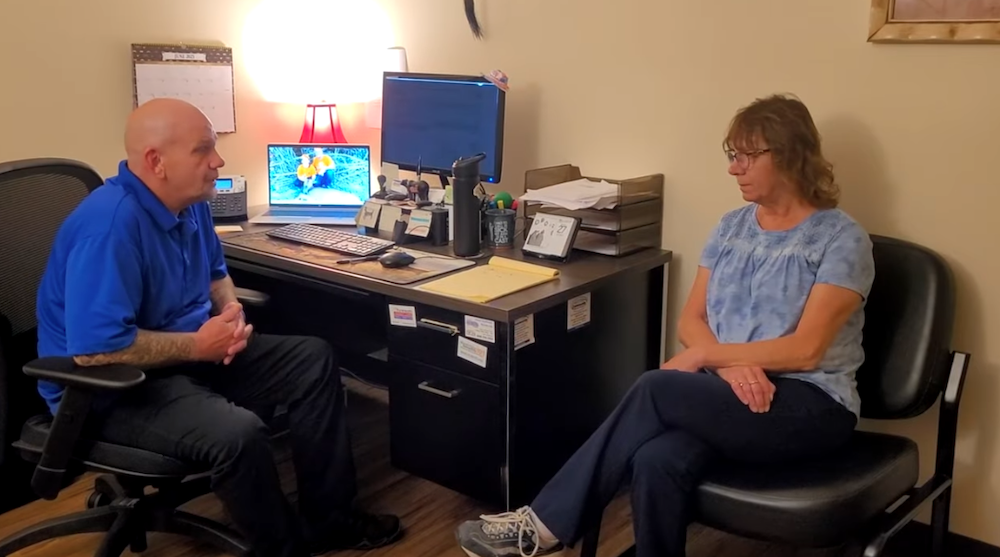
Comprehensive Care
CCBHCs offer a wide range of services aimed at providing access, stabilizing individuals in crisis, and delivering necessary treatment for those with mental health and substance use disorder conditions. Additionally, they incorporate supplementary services to promote a healthcare approach that prioritizes recovery, wellness, trauma-informed care, and physical and behavioral health integration. Comprehensive care includes, but is not limited to, the following criteria:
24/7/365 crisis services
Immediate screening and risk assessment
Easy access to care
Tailored care for active-duty military and veterans
Expanded care coordination
Commitment to peers and family
At Sanilac CMH our approach is person-centered, meaning we tailor our services to each individual based on their unique needs. We follow clinical protocols established by Region 10 PIHP, Michigan Department of Health and Human Services (MDHHS), and Medicaid guidelines. These organizations also provide partial funding for some of the services provided at Sanilac CMH. Our team consists of professionally trained and licensed personnel from various human services fields, ensuring high-quality care.
Sanilac CMH is committed to non-discriminatory practices. We provide services to everyone, regardless of race, color, nationality, religious or political beliefs, gender, age, disability, or ability to pay. We also arrange reasonable accommodations to make our services accessible to residents with disabilities as part of their person-centered service plan.